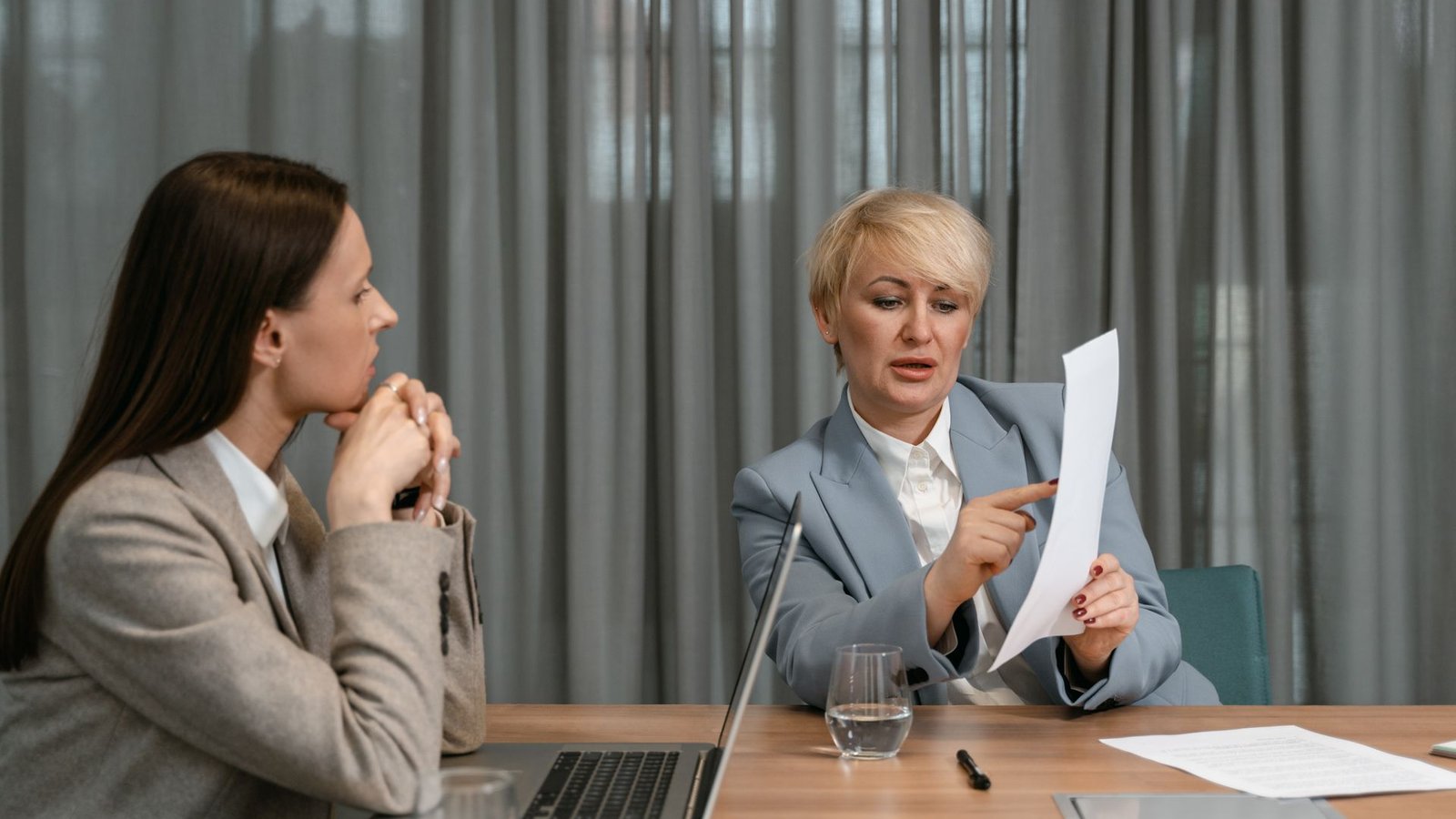
As retirement ages rise and people remain in the workforce for longer, the conversation around age and employment needs to change. For many women, especially those in their 40s, 50s and beyond, ageism remains an uncomfortable reality, from assumptions about adaptability and ambition to outdated ideas about confidence with technology.
But experience is not a weakness to overcome. It is a valuable workplace asset. In a world where AI is transforming how we work and new digital skills are constantly emerging, the future belongs not just to those who learn new tools quickly, but to those who can combine knowledge, judgement, creativity and human insight.
As you know, I run a busy skincare clinic and every day meet busy, midlife women in senior roles who often battled extremely hard to get there, against sexism, unhelpful maternity provisions, the guilt of juggling being a great mother with being a great employee and, increasingly, the burden of caring for the older generation too.
And now they are facing ageism.
What does ageism look like in the workplace?
Age bias often shows up subtly:
- Assuming older employees are resistant to change. You know what they say, assume makes an ass out of you and me.
- Overlooking older people for promotions or leadership roles. It seems that with age suddenly comes a lack of ambition, at least in the eyes of the powers (usually men) that be.
- Valuing youth over expertise. Why?
- Treating career breaks or caring responsibilities as weaknesses. It is as it ever was, which is an ongoing frustration.
- Assuming digital skills are linked to age rather than opportunity and training. Patronising, much?
Adaptability is not something younger generations invented
Many people who are now experienced professionals have adapted repeatedly throughout their careers, from paper systems to computers, email, smartphones, cloud software and now AI. I remember the days of faxes and phone calls to do a deal, meetings held in person after long car journeys or cross country trains and flights. My friend Katy tells me how she stopped a Gen Z in their tracks by telling them that she got her first proper job because she was the only one who applied who knew how to use a computer, colleagues would walk past and side eye the vast thing on her desk in wonder. Her colleague in her twenties simply could not imagine a time before.
We are capable. We are the "been there, done that" generation.
And to make it all worse, there is a double whammy for women in the workplace, with age related assumptions arriving at the same time as menopause and midlife changes. Just at the point when we are feeling most capable, have the most to offer both in terms of skill and experience and in the ability to lead and bring on those with fewer years under their belts, we find ourselves being judged more harshly on appearance, confidence or communication style than men, and feeling pressure to prove relevance when male colleagues may be seen as becoming more authoritative with age.
A woman's later career years should be seen as a period of professional maturity, not decline.
So, faced with everything that is set against us, how can those of us who did not grow up digitally prove our value?
1. Become curious, not defensive
Technology changes constantly. Nobody stays an expert forever. The ability to learn is more valuable than knowing every platform. Lean in to every discussion, attend every training session and engage, fully. It is happening, and even if you cannot see how it might help you, show your willingness to learn all about it.
2. Translate experience into modern language
Instead of: "I have 25 years of experience."
Try: "I have 25 years of solving complex problems, adapting to change and understanding people."
3. Build digital confidence gradually
Not everyone needs to become a programmer. Focus on the tools relevant to your role. For example:
- AI assistants
- Data interpretation
- Digital communication tools
- Online collaboration platforms
- Automation tools
After a training session, proactively engage with the training officer, or find someone who is already knee deep in love with AI, and request support developing prompts or programmes to help you with very specific tasks where you can see potential. People love to talk about what they are passionate about, so be the person they want to talk to and support.
4. Share knowledge as well as learn
Reverse mentoring is a great angle: younger colleagues can share digital skills while experienced colleagues share strategic thinking, judgement and organisational knowledge. Offer your time as a mentor. It is an hour a week of talking to a younger colleague about their specific role and their place in the wider business. Use AI to help.

How employers can challenge ageism
It is not our personal responsibility to address ageism in our workplace, though we should challenge it when we see or hear it. Organisations need to:
- Offer training throughout careers, not just to younger employees
- Stop assuming age predicts ability
- Create mixed age teams
- Recognise different forms of expertise
- Measure performance rather than stereotypes
How do we make this happen? Start asking questions. Book a lunch with your HR lead. Be the change you want to see, integrate new starters into your team by acknowledging what they bring while explaining what every other team member has to offer. Make sharing knowledge, time and expertise the norm. Listen, watch and learn.
Normalising respect for experience, skill and talent, regardless of age, will help us all, and the business we work within.
In summary
What is ageism in the workplace and why does it matter?
Ageism in the workplace is the unfair treatment of employees based on their age. As people work for longer, organisations need to recognise that experience, judgement and emotional intelligence are valuable workplace skills. In the age of AI, success depends not only on digital knowledge but also on creativity, adaptability and human insight.
How can older workers stay relevant as technology changes?
Older workers can remain competitive by developing digital confidence, embracing lifelong learning and combining new technology skills with the experience they have gained throughout their careers.
Why are older women particularly affected by workplace ageism?
Women can face additional challenges because age stereotypes often overlap with gender expectations. Creating workplaces that value expertise, diversity and skills rather than assumptions about age benefits everyone.
Penny xx